Lost Pigeons
Especially in the spring and early summer, when young pigeons are first learning how to find their way home from greater and greater distances, you may find a pigeon that has become disoriented. Even older birds who've raced previously can become exhausted when flying home from longer distances or from a new direction. This happens for many reasons. Sometimes atmospheric or celestial weather draws the birds off course. Sometimes hawks and other birds of prey chase and harass pigeons in flight. Sometimes they are slow to return and must take shelter overnight, as most pigeons do not fly at night. If a banded pigeon takes shelter in your yard or on your property and is otherwise healthy and uninjured, it is likely in need of rest and, after recovering its strength, will continue its journey. If you'd like to be helpful, provide the bird with clean water and seeds (pigeons do not eat worms or bugs, only seeds). It will continue home to its loft when it is ready.
Injured birds or truly exhausted birds may need more assistance. If you are able, please capture and contain the bird. Take a picture or write down the number on the bird's leg band. Use that information to find the bird's owner and notify him or her that you've caught their bird. Find the owner's contact information using the resources below.
Birds with our "LM" Club Bands
The LMHPC orders a set of leg bands from the ARPU each year that its members can purchase. If you find a bird bred by a club member, it will have a band that show "AU" for the national organization, then the year of the bird's birth, then "LM" which is the code for our club. After that will be the bird's unique identifying number. If you find a "LM" banded bird, please contact our race secretary Khalid Yahya at <preferred contact> and he will identify and locate the owner for you.
Club Code
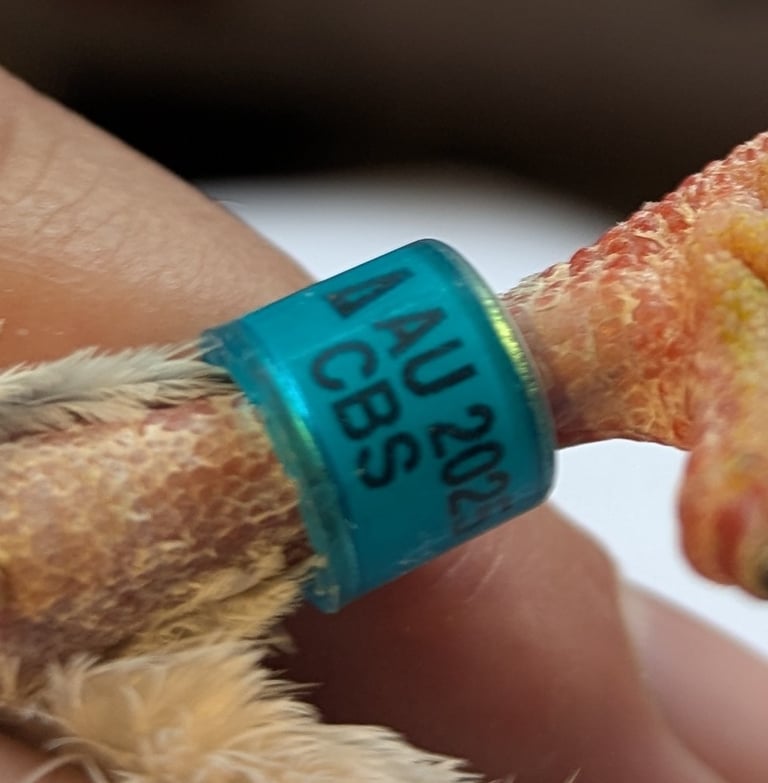
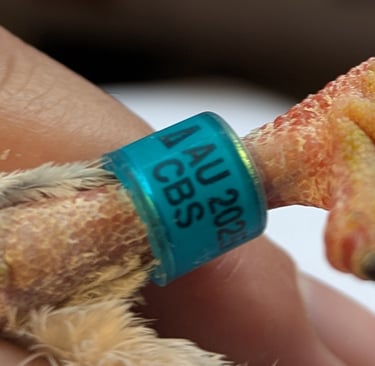
Life bands show the code for the national organization (this band shows AU for the American Racing Pigeon Union), the year the pigeon was bred (in this example, 2025), and the club code for the club that the breeder of the bird belongs to. This bird has a "CBS" club code, which indicates that it was bred by a breeder at the Continental Breeding Station in Oklahoma.
Bird Number
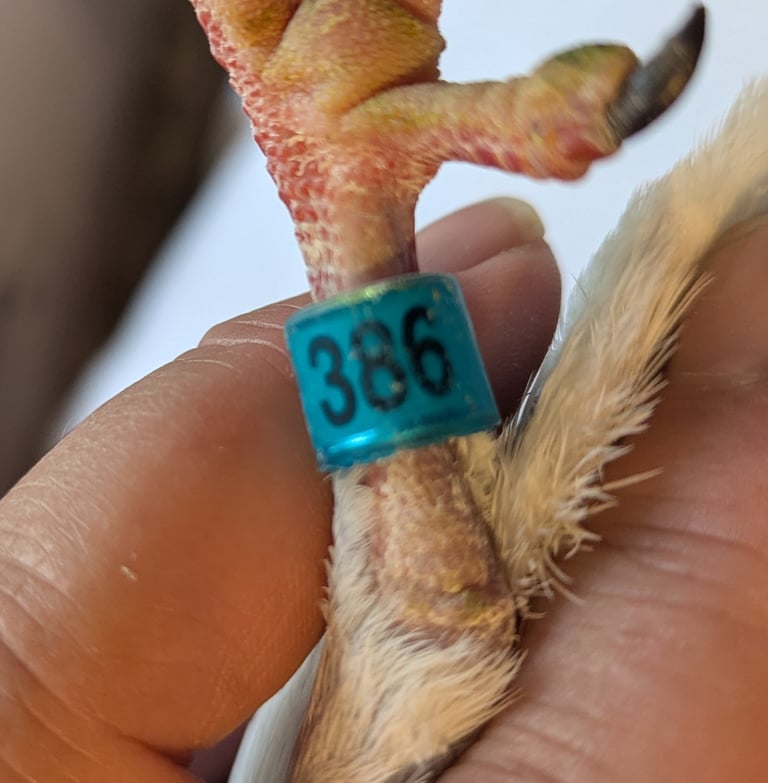
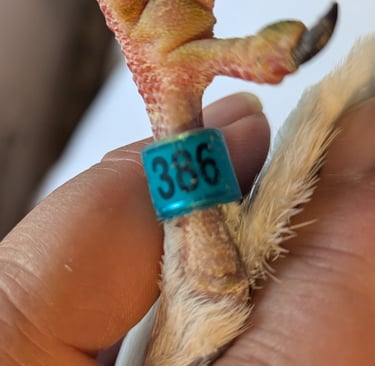
Following the national organization code, the year of birth, and the club code, will be a number that is unique to that bird. Here, this is bird number 386.
Birds with other ARPU Bands
The club has only a limited number of bands and not all of its members use club bands for their birds, but because our birds fly in ARPU events, they usually have "AU" leg bands. All such bands are tracked by the ARPU and can be used to locate the breeder of the bird and, if the bird has been raced in at least one ARPU sanctioned race, the current owner. Follow this link for instructions from the ARPU that will help you identify the bird's breeder. Follow this link to look up a bird by its racing record, which will show who currently owns the bird.
Local Facebook Search Page
A public Facebook group was established in our area that assists the finders of lost pigeons reconnect with its home loft. Click here to access that page to get direct assistance locating a bird's owner.
Contact
Reach out for race info or membership
info@lansingpigeonclub.org
© 2026. All rights reserved.
copyright notice
Lansing Michigan Homing Pigeon Club owns this website and. unless other authorship is clearly indicated, owns all creative content contained herein including written materials, photographs, videos, or documents of any kind. Republication, sharing, or otherwise taking any creative content from these pages violates the Club's copyrights and is expressly prohibited.